Pet Waste & Health Awareness
Your pet’s waste can reveal more than you’d expect—from early signs of illness to risks that affect other pets, people, and the environment. Learn what to watch for, how these issues spread, and simple ways to help prevent them.
Common Pet Waste–Related Illnesses & Risks
Giardia (jee-AR-dee-uh)
Giardia is an intestinal parasite that can upset your pet’s digestion, causing soft or greasy stool and sometimes weight loss. It can also affect humans if cysts from contaminated soil or water are ingested. Giardia can linger in yards, parks, and waterways, infecting other pets and wildlife. By staying on top of cleanup, keeping water bowls clean, and avoiding stagnant water, we can help stop it from spreading.
Canine Parvovirus (PAR-vo-vy-rus)
Parvovirus is a viral infection affecting dogs, causing severe vomiting, bloody diarrhea, and rapid dehydration. It can survive for months in soil or on surfaces. Humans don’t get sick, but we can carry the virus on shoes or clothes and spread it to other dogs. Keeping vaccinations current, being mindful of where dogs go, and disinfecting exposed areas protects pets and the community.
Roundworms (Toxocara canis)
Roundworms are intestinal worms common in puppies, causing bloating, poor growth, and malnutrition if ignored. Their eggs survive in soil for years, and humans—especially children—can be infected by accidental ingestion. Routine deworming and prompt waste cleanup help keep both pets and people safe.
Hookworms
Hookworms are blood-feeding intestinal worms that can cause weakness, anemia, and stunted growth in pets. Larvae can penetrate human skin, making contaminated soil a risk to everyone. Regular cleanup, gloves when handling soil, and keeping pets away from contaminated areas help prevent their spread.
Whipworms
Whipworms are intestinal worms that cause recurring diarrhea and nutrient loss. Their eggs can survive in soil for years, leading to reinfection and long-term yard contamination. Keeping yards clean, maintaining routine parasite prevention, and monitoring pets’ stool regularly helps reduce risks for everyone.
Coccidia (kok-SID-ee-uh)
Coccidia is a protozoan parasite that infects the intestines, often causing watery or bloody diarrhea in young pets. Left untreated, it can lead to dehydration and slower growth. Contaminated feces can reinfect pets and spread in the community. Prompt cleanup, disinfecting high-traffic potty areas, and keeping an eye on puppies help reduce risks.
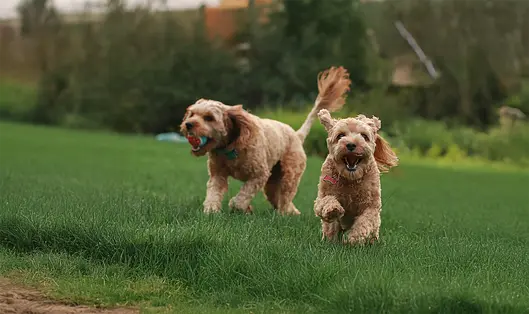
A single roundworm egg can survive in soil for over 5 years and still infect a pet or human.
Understanding Your Dog’s Waste

Firm and Log-Shaped
This is the “gold standard” of healthy stool. It’s well-formed, easy to pick up, and indicates your dog’s digestive system is working properly.

Soft or Pasty
Soft stools may happen from minor stress, diet changes, or mild digestive upset. Occasional softness isn’t alarming, but if it persists, it could signal food sensitivities or parasites like Giardia or Coccidia.

Unusually Hard or Dry
Constipation leads to hard, dry stool. It can be caused by dehydration, lack of fiber, or insufficient exercise. Chronic constipation should be monitored and discussed with a veterinarian.

Mucus-Coated or Slimy
A little mucus is normal, but excess slime suggests irritation in the intestines. Parasites, inflammation, or infections may be the cause.

Watery or Diarrhea
Repeated loose or watery stool signals a more serious digestive issue. Causes can include infections, parasites, or in dogs, severe conditions like Parvovirus. Persistent diarrhea should prompt a vet visit.

Blood in Stool
Blood, whether bright red or dark and tarry, is always a sign to take notice. It can indicate infections, parasites, or other gastrointestinal issues and warrants prompt attention.
The 4 C’s of Healthy Dog Stool
Color
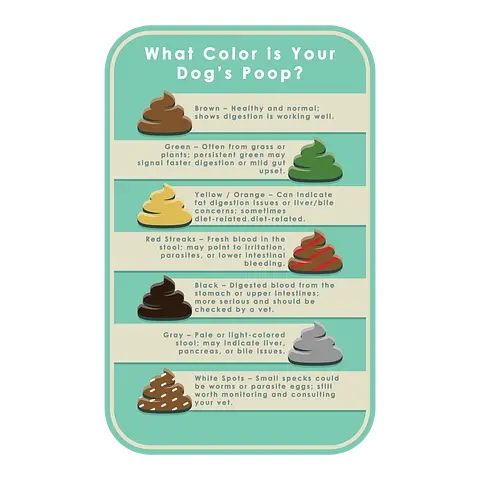
Healthy stool is typically medium to dark brown. Unusual colors like black, red, yellow, or green can signal digestive issues or parasites.
Consistency
Stool should be firm but not hard, easy to pick up, and hold its shape. Too soft, too watery, or too dry can indicate digestive upset, constipation, or illness.
Content
Check for anything unusual inside the stool, like undigested food, visible worms, or foreign objects. Healthy stool shouldn’t contain these.
Coating
A thin, shiny coating is usually fine, but excessive mucus or slime suggests intestinal irritation or infection.
What This All Means
By observing the 4 C’s regularly, you can catch early warning signs, prevent the spread of parasites, and keep your dog healthy and happy.